
Blog
How to Choose an Ecommerce Development Company: A Buyer's Guide
How to choose an ecommerce development company: what to decide first, the questions to ask, green and red flags, and what the contract must cover.
Muhammad Zubair Akhtar
Picking an ecommerce development company is a bigger decision than it looks. The company you choose will shape your platform, your checkout, your search traffic and how much it costs you to change anything for years afterwards. Most of the search results for this topic are agencies listing their own strengths. This guide is the opposite: a buyer's checklist you can use on any company, whichever platform you end up on.
I am Zubair Akhtar, a senior software engineer in Lahore. I build ecommerce stores and the integrations around them in Laravel and WooCommerce, and I have been on both sides of these conversations. What follows is the process I would want a client to use on me.
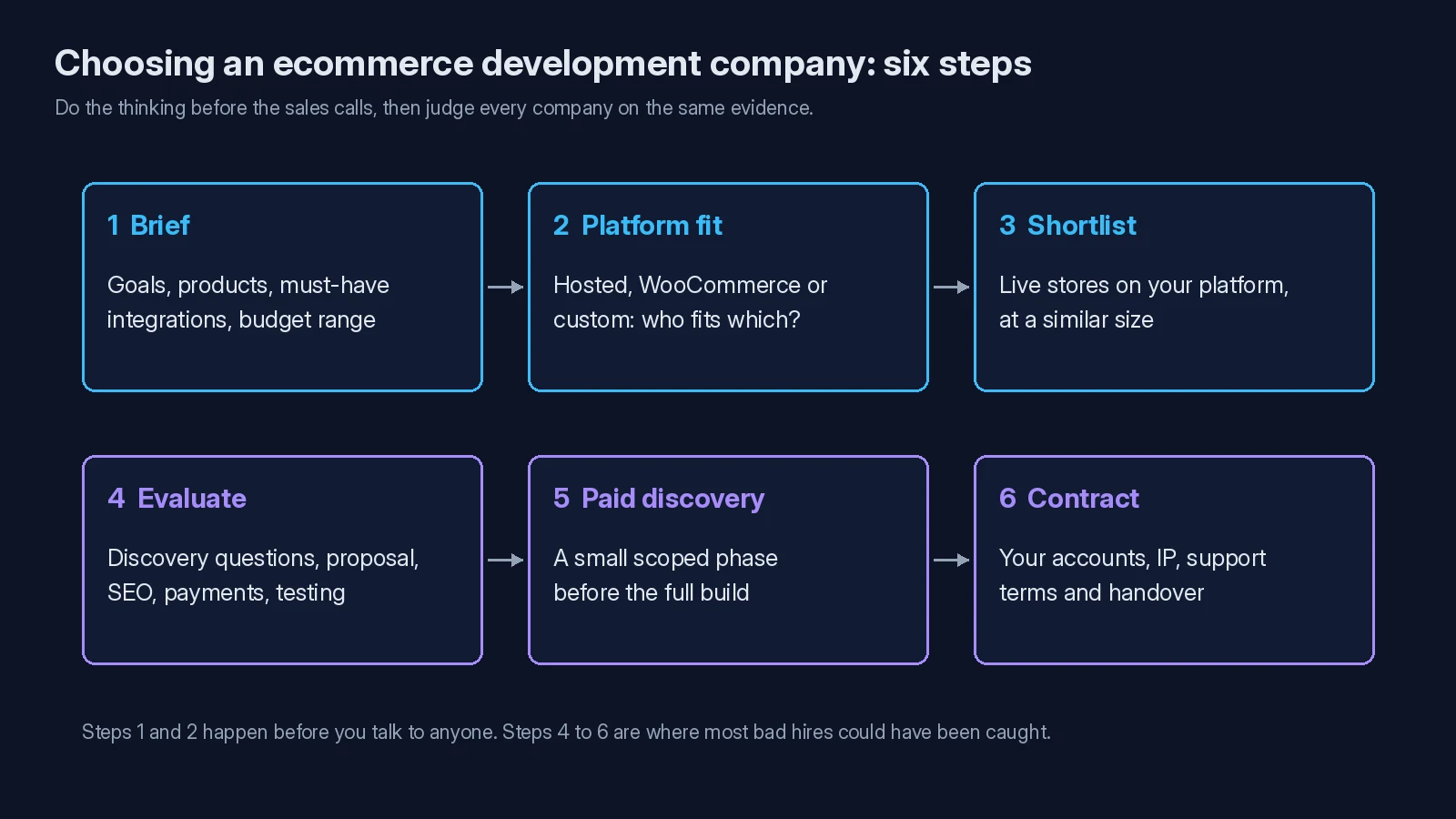
Figure 1. The six steps. The first two happen before any sales call.
Step 1: Write a one-page brief before you call anyone
A company can only give you a useful answer if you give it a useful question. Before you contact anyone, write down:
- What you sell and how. Number of products, variants, physical or digital, one country or many, B2C or B2B (trade prices, quotes, invoices).
- What you have today. An existing store, a marketplace shop, or nothing. If you already rank in search, say so, because a migration has to protect that traffic.
- The systems the store must talk to. Payment providers, shipping and courier APIs, your ERP or accounting software, a CRM, email marketing, a warehouse.
- What success looks like in the first year. For example: "take orders in two currencies", "cut manual order entry", "launch before a seasonal peak".
- A budget range and a deadline. You do not have to share them in the first call, but you need them to judge proposals.
The brief does two jobs. It makes proposals comparable, because every company answers the same question. And it shows you quickly which companies actually read it.
Step 2: Know roughly which platform fits before you shortlist
You do not need to be a developer to have a view on the platform, and you should have one before you shortlist. A company that only builds on one platform will usually recommend that platform, whatever you sell. That is not dishonest; it is simply the only tool they have.
As a starting point:
- Hosted platforms (such as Shopify) suit stores that want to launch quickly with standard catalogue, checkout and shipping needs, and are happy to work inside the platform's rules.
- WooCommerce suits businesses that already run WordPress, want full control of their content and hosting, and need flexibility through plugins and custom code.
- A custom build (for example in Laravel) makes sense when your ordering, pricing or fulfilment logic does not fit a standard store, or when the store is one part of a larger application.
I compare these three in detail, including total cost of ownership by business size, in WooCommerce vs Laravel vs Shopify. Read that first if you are unsure. Then shortlist companies that genuinely work on the platform that fits, or that can explain clearly why they would choose differently.
Step 3: Build a shortlist from real, live stores
Portfolios full of mock-ups tell you a company can design. Live stores tell you it can ship. When you build your shortlist of three to five companies, look for:
- Live stores on your platform, at a size similar to yours. A company that builds small brochure shops may struggle with ten thousand products and an ERP sync, and the reverse is also true.
- Stores you can actually test. Browse on your phone, search for a product, add to cart, start a checkout. Is it fast? Does search work? Does anything break?
- References you can call. Ask for two clients, ideally one whose project is a year or more past launch. Ask them what happened after go-live, not just how the build went.
- Who does the work. Ask directly whether the team is in-house or whether parts are subcontracted. Either can work, but you should know who is writing your code.
Step 4: Evaluate how they think, not just what they show
The first one or two calls are where you learn the most. Use your brief and ask every company the same questions.
Questions about discovery and scope
- What do you need to know about our business before you can give a firm estimate?
- What would you leave out of the first release, and why?
- How do you handle changes to scope once the build starts?
A strong company asks you more questions than you ask it. A company that gives a fixed price after one short call is guessing, and you will pay for the guess later through change requests.
Questions about payments
Checkout is where mistakes cost real money. Ask how they handle payment provider webhooks, failed and duplicate payments, refunds and reconciliation, and how they test all of it before launch. My payment gateway integration checklist lists what a pre-launch review should cover; it makes a good set of follow-up questions.
Questions about SEO and migration
If you already have search traffic, a new store can lose it overnight through changed URLs, missing redirects or duplicate category pages. Ask:
- How will you map our old URLs to new ones, and when are redirects tested?
- How do you handle filtered and faceted category pages, canonicals and product structured data?
- How do you measure page speed before and after launch?
If the answer to "do you do SEO?" is a yes with no detail, treat it as a no. I cover the fixes that matter for online shops in technical SEO for ecommerce.
Questions about code quality and testing
You may not be able to judge code yourself, but you can ask how it is reviewed, how it is tested, where it is stored and how deployments work. If your store is being built in Laravel, my Laravel developer hiring checklist covers how to vet the people and the code, so I will not repeat it here. The same principles apply to any platform.
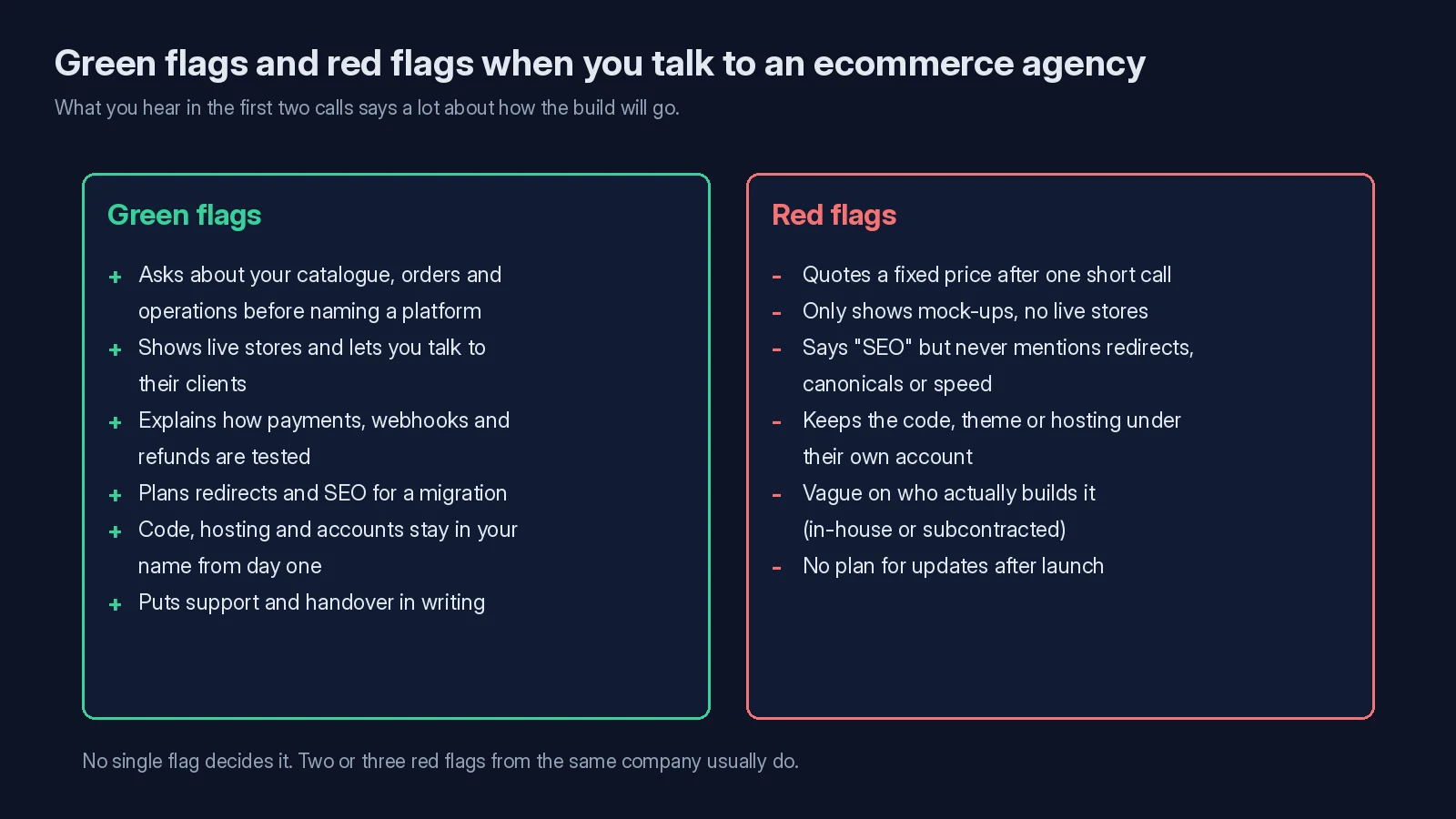
Figure 2. Green and red flags from the first two calls.
Step 5: Start with a paid discovery phase
For anything bigger than a simple store, ask for a small, paid discovery phase before you commit to the whole build. It usually produces:
- a written scope with the features in and out of the first release
- the platform and hosting recommendation, with reasons
- an integration plan for payments, shipping and your other systems
- a migration and redirect plan if you have an existing store
- a firmer estimate and timeline for the build
Discovery is the cheapest way to find out what working with a company is actually like. You see how they communicate, whether they meet small deadlines and how honest they are about risk. If it goes badly, you have lost a small phase, not a whole project, and you keep the documents.
Step 6: Get the contract and the handover right
I am not a lawyer, and you should have your own lawyer review the contract. These are the points I would make sure it covers:
- Ownership. The code, design files and content belong to your business, with a clear IP assignment. Any reusable code the company brings is licensed to you permanently.
- Your accounts from day one. The code repository, hosting, domain, payment gateway, analytics and email all sit in accounts your business owns. The company is added as a user. This one habit prevents most lock-in.
- Acceptance. What "done" means for each milestone, and how you sign it off.
- Payment terms tied to milestones or delivered work, not to the calendar.
- Support after launch. Who applies platform, plugin and security updates, how fast urgent issues are handled, and what that costs.
- Handover. If either side ends the engagement, what you receive: code, credentials, documentation and a working deploy process.
Agency, small studio or one senior developer?
"Ecommerce development company" covers everything from a fifty-person agency to a two-person studio. There is no right size, only the right fit:
- A larger agency makes sense when you need design, development, marketing and ongoing support from one supplier, and you have the budget for the account management that comes with it.
- A small studio or a senior freelance developer often suits stores where the hard part is engineering, such as integrations, custom checkout logic or performance, and you want to talk directly to the person building it.
Whichever you choose, use the same six steps. Size changes the price and the process, not the standard you should hold anyone to.
FAQ
What does an ecommerce development company do?
It plans, designs, builds and maintains online stores. That usually covers choosing the platform, building the theme or front end, setting up products and checkout, integrating payments, shipping and back-office systems, migrating an existing store, and supporting the store after launch.
How do I choose the right ecommerce development company?
Write a short brief, decide roughly which platform fits, shortlist companies with live stores on that platform at your size, ask every company the same questions about discovery, payments, SEO and testing, start with a paid discovery phase, and sign a contract that keeps code and accounts in your name.
Should I hire an ecommerce developer or an agency?
Hire an agency if you need design, development and marketing from one supplier. Hire an ecommerce developer or small studio if the work is mainly engineering and you want direct contact with the person building it. Use the same checks either way.
How long does it take to build an ecommerce store?
It depends on the platform, the number of integrations and whether you are migrating an existing store. A discovery phase is the honest way to get a timeline for your project; be wary of anyone who commits to a date before it.
Work with me
I build and fix ecommerce stores in WooCommerce and Laravel, including payment integrations, migrations and performance work. If you want a second opinion on a proposal, or you are looking for someone to build your store, see my ecommerce development services and send me your brief. I will tell you honestly which platform I think fits and whether I am the right person for it.